

Free plan
$0
Free plan to start
Professional plan
500 RPS
Requests per second on Professional
gRPC streaming
$320
Per month with gRPC streaming included
What you get with Carbium RPC
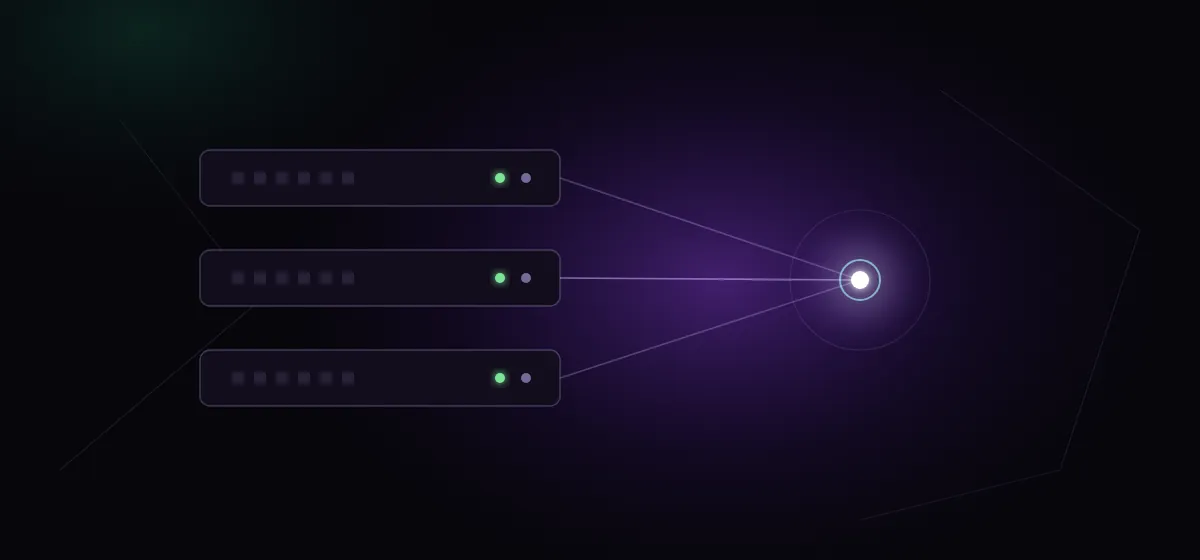
Swiss-owned bare metal
- Hardware Carbium owns in Switzerland
- Operated by Carbium, not resold cloud
- Flat monthly plans from $0 to $640
- Published credit and RPS limits
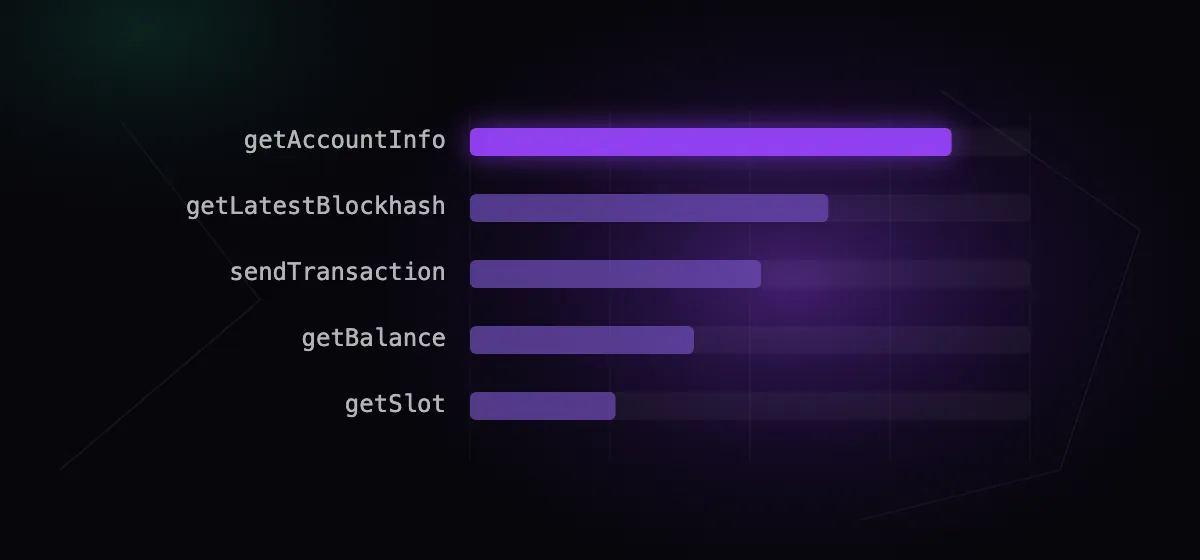
Developer tools
- Standard Solana JSON-RPC endpoint
- WebSocket subscriptions on every plan
- API keys and webhooks on every plan, up to 15 and 50
- Dashboard with usage and key management

gRPC streaming
- Yellowstone-shaped transaction stream over WebSocket
- Included from the Business plan
- Filters by account and commitment level
- Same API key as your RPC endpoint
Plans and pricing
Simple pricing
for teams of any scale
35% less than Helius - Save more, build better
free
Ideal for testing
$0Monthly
developer
For small projects
$32Monthly
business
For growing teams
$320Monthly
professional
For teams at scale
$640Monthly
Free and Developer cover testing and standard JSON-RPC workloads. Business is the first plan with gRPC streaming.
Compare all plans and limitsEnterprise
Custom limits, volume pricing and direct access to the engineering team for teams that outgrow Professional.
Talk to us- Volume discounts
- Custom rate limits
- Custom optimized infrastructure
- Direct access to our engineering team
- Advanced geographic coverage
Carbium vs Helius vs Quicknode
Solana RPC providers compared on what each plan includes and what it costs. Prices checked 3 October 2026.
| Feature | Carbium | Helius | Quicknode |
|---|---|---|---|
| Free plan | Yes | Yes | 1-month trial |
| JSON-RPC and WebSocket subscriptions | Yes | Yes | Yes |
| Webhooks | Yes | Yes | Yes |
| Wallet sign-up and crypto payments | Yes | Yes | Crypto top-ups on paid plans |
| Swiss-owned bare metal | Yes | No | No |
| List prices | |||
| First paid plan, per month | $32 | $49 | $49 |
| gRPC streaming included from | $320 | $499 | $499 |
| Highest public plan, per month | $640 | $999 | $999+ |
List prices from each provider's own pricing page, checked 3 October 2026. Plan contents differ, so compare credits and limits before you choose. Carbium's stream carries Yellowstone-shaped data over WebSocket; Helius (LaserStream) and Quicknode stream over native gRPC. Helius includes it from Business and bills streamed data from plan credits; Quicknode includes it from Scale or as a $499 a month add-on.
Connect in three steps
Carbium speaks standard Solana JSON-RPC, so your client code stays the same. Only the endpoint changes.
Create a free account
Sign up with a wallet, Google, Discord or X. The Free plan costs $0.
Create an API key
In the dashboard. One key works for JSON-RPC, WebSocket and gRPC streaming.
Swap the endpoint URL
Point @solana/web3.js, Anchor or any Solana client at your Carbium endpoint.
// Carbium RPC speaks standard Solana JSON-RPC
import { Connection } from "@solana/web3.js";

const connection = new Connection(
  "https://rpc-service.carbium.io/?apiKey=YOUR_KEY",
  "confirmed"
);

const slot = await connection.getSlot();
FAQs
Can't find the answer you're looking for? We're always here to help you.
Talk to an expertBrowse the documentationWhat is Carbium RPC?
Carbium RPC is a Solana RPC service run on servers Carbium owns and operates in Switzerland. It gives you a JSON-RPC endpoint, WebSocket subscriptions and, from the Business plan, gRPC transaction streaming, all on one API key.
What is a Solana RPC endpoint, and why use a dedicated one?
An RPC endpoint is how your application reads from and writes to Solana: fetching accounts, sending transactions and subscribing to updates. Public endpoints are shared by everyone and rate-limited for everyone. A dedicated endpoint tied to your own API key gives you published credits and requests-per-second limits that are yours alone.
How much does Carbium RPC cost?
There are four public plans, billed monthly: Free at $0 with 500K credits and 10 requests per second, Developer at $32 with 10M credits and 50 RPS, Business at $320 with 100M credits and 200 RPS, and Professional at $640 with 200M credits and 500 RPS. Enterprise plans are priced on request.
Compare all plans and limitsIs there a free Solana RPC plan?
Yes. The Free plan costs $0 and includes 500K credits a month and 10 requests per second. It is meant for testing and proof-of-concept work. gRPC streaming is not included on Free or Developer.
Which plan includes gRPC streaming?
Business ($320 a month) and Professional ($640 a month) include gRPC streaming. If your architecture depends on transaction streaming from day one, Business is the plan to start on.
Solana gRPC streaming: plans and fitWhat is the difference between credits and requests per second?
Credits are your total monthly usage budget; each request draws from it. Requests per second is the burst capacity available at one time. A workload can stay under its RPS ceiling and still use up its monthly credits, or have credits left and still hit the RPS ceiling during spikes.
Rate limits and 429 responses explainedDoes Carbium work with @solana/web3.js and Anchor?
Yes. Carbium speaks standard Solana JSON-RPC, so @solana/web3.js, Anchor and other Solana clients work by replacing the endpoint URL with your Carbium endpoint. No other code changes are needed.
Example calls for common Solana RPC methodsHow is Carbium different from Helius and Quicknode?
Carbium runs its own bare-metal servers in Switzerland and sells flat monthly plans with published credit and RPS limits. On list prices checked in October 2026, the first paid plan is $32 against $49 at Helius and Quicknode, and streaming is included from $320 (Yellowstone-shaped data over WebSocket) against $499 for native gRPC. Plan contents differ, so compare the limits on each site.
Read the full comparison, including TritonWhat does Swiss-owned infrastructure mean for my data?
It means Carbium owns and operates the servers that answer your requests, in Switzerland, instead of renting capacity on someone else's cloud. Your traffic is served from hardware under Carbium's control.
Who is Carbium RPC built for?
Trading bots that quote on the Carbium Swap API and execute on RPC, wallets that need balance reads and signature subscriptions, indexers and real-time feeds that consume one upstream stream, and dashboards built on Carbium Token Data, the free token API. The docs have an implementation guide for each.
Carbium for trading botsHow do I connect my app to Carbium RPC?
Create a free account, create an API key in the dashboard, and point your client at https://rpc-service.carbium.io/?apiKey=YOUR_KEY. The quick start guide walks through a first call.
RPC quick startWhere can I see service status?
Service status is published at status.carbium.io. The docs also cover monitoring your own usage from the dashboard.
status.carbium.ioBuild on Carbium's complete infrastructure
RPC, swaps and token data from one Swiss stack, with docs for all of it.
Carbium Swap API
Multi-DEX quotes and swap execution for bots, wallets and trading teams.
Explore the Carbium Swap APICarbium DEX
Swap Solana tokens in the browser on Carbium's routing.
Open Carbium DEX
Carbium Token Data
Free REST API for token search, single-mint lookup, batch resolves and logos. No API key needed.
Explore Carbium Token DataDocumentation
Guides, references and migration playbooks for every Carbium product.
Read the docsCarbium RPC is part of Carbium, the Solana infrastructure stack built in Switzerland.
By logging in, you agree to our Terms of Service and Privacy Policy.